The landscape of immune health ingredients is evolving. Consumers and brands alike are looking beyond traditional vitamins toward ingredients that support balanced immune function — and functional mushrooms are increasingly part of that conversation.
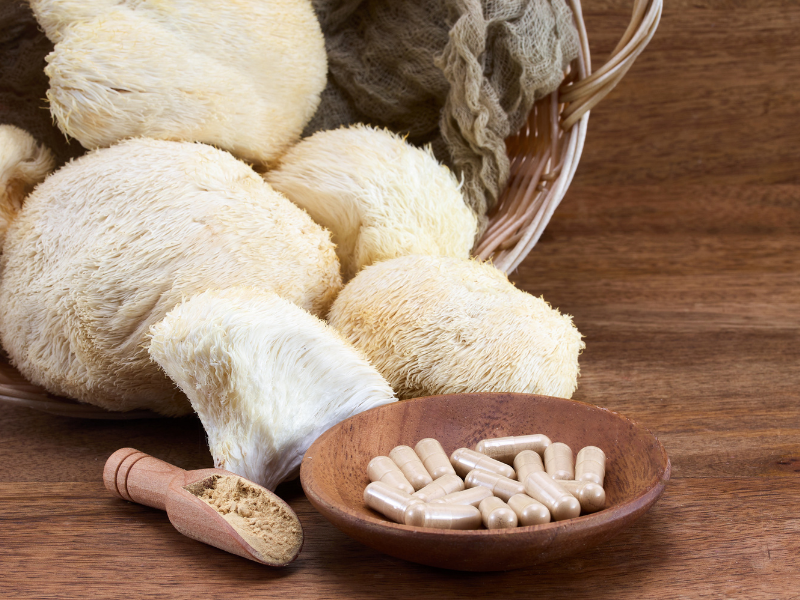
Mushroom species such as lion’s mane, reishi, turkey tail, and agarikon contain complex bioactive compounds that interact with the body in ways that extend beyond basic nutrient profiles. These compounds are being investigated not just for their immune-related activity, but also for how they may influence overall health pathways relevant to resilience and well-being.
From Immune “Boosting” to Immune Balance
Immune support is no longer about simply driving immune activity higher. Today’s science emphasizes regulation — helping immune systems respond appropriately without overstimulation. Certain mushroom-derived constituents, such as beta-glucans and other polysaccharides, are thought to interact with immune signaling mechanisms in a way that supports that balanced responsiveness.
For formulators, this represents a shift in thinking: immune support formulations that emphasize balanced modulation rather than indiscriminate activation.
Evidence and Emerging Data
Research in this space includes both preclinical studies and human evaluations:
-
In preclinical models, select mushroom extracts have shown activity across immune-related pathways, suggesting potential to influence cellular signaling connected with immune readiness.
-
Early human trials of mushroom supplementation have reported consistent support for normal immune response over extended periods, with good tolerability.
-
Safety assessments in laboratory models typically monitor cell viability across dosage ranges to ensure extracts do not exhibit cytotoxic effects at functional levels.
What emerges from this body of research is a picture of ingredients that may complement immune-focused formulations while maintaining a favorable safety profile when appropriately sourced and tested.
What This Means for Formulators
Not all mushroom ingredients are equivalent, and differences in species, cultivation, form (mycelium vs. fruiting body), extraction method, and active component content can significantly influence both functional outcomes and product positioning.
Formulators aiming to differentiate their immune support products should consider:
-
Ingredient specificity — Choosing the right species and preparation for the desired outcome
-
Transparent documentation — Clear identity, testing, and quality data to support formulation decisions
-
Safety and tolerability — Evidence that ingredients are well tolerated at intended use levels
-
Regulatory readiness — Supporting dossiers and technical documentation that align with global market requirements
Positioning Mushroom Ingredients in Immune Formulas
Functional mushrooms can be leveraged across multiple formats:
-
Capsules and tablets for daily immune support
-
Powders and blends targeting holistic wellness
-
Complex immune systems formulas paired with vitamins, minerals, or adaptogens
When incorporated thoughtfully, mushroom-based ingredients can help brands meet consumer demand for immune support solutions that go beyond “boosting” toward balanced resilience.