
Check out the MyStauber Portal to access documents, invoices and online ordering!
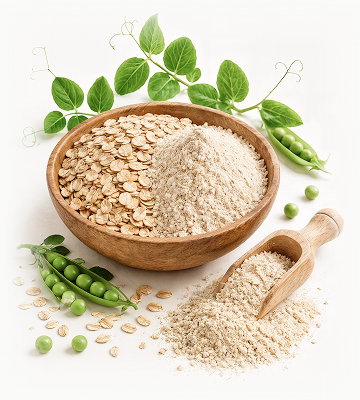
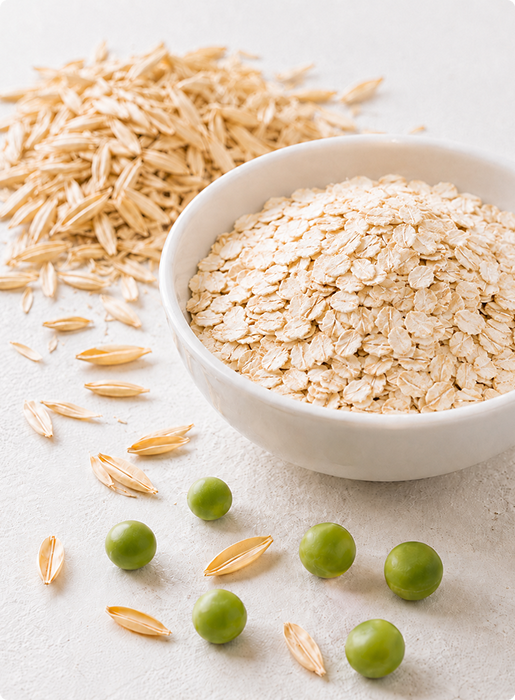
Avena Foods, available through Stauber, provides specialty milled pea and oat hull fibers for today’s food, beverage, nutrition, and pet applications. These clean-label, neutral-tasting fibers help brands increase dietary fiber while supporting satiety-focused positioning, digestive wellness, texture, structure, and processing performance.
Made from upcycled hulls of sustainably grown peas and oats, Avena’s fiber ingredients offer a practical solution for brands developing better-for-you products with strong nutrition, clean labels, and reliable formulation functionality.


Why fiber is moving to the center of functional nutrition
Consumers are paying closer attention to digestive health, fullness, balanced nutrition, and long-term weight wellness. At the same time, the growing awareness of GLP-1 has created new interest in ingredients that support satiety-focused eating patterns and healthy metabolic routines.
Avena’s functional fibers help brands respond to these market needs with clean-label ingredients that can support:

Avena’s featured fiber ingredients are designed to help brands add meaningful dietary fiber while maintaining clean labels, neutral sensory performance, and reliable processing functionality.
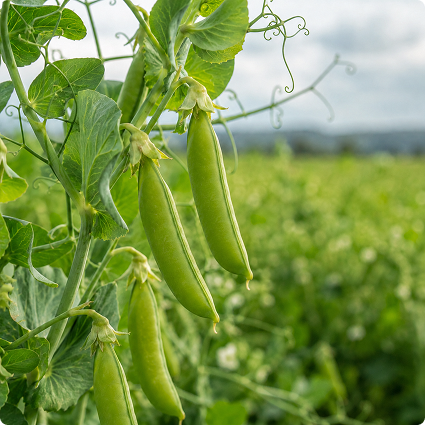
Pea Hull Fiber is specialty milled from the cleaned outer seed coat, or hull, of North American dried peas. It is a ready-to-eat natural dietary fiber with 90% total dietary fiber on a dry weight basis.
It is easy to incorporate into a wide range of product systems and does not require pre-hydration, making it a flexible solution for brands looking to increase fiber content without major formulation disruption.
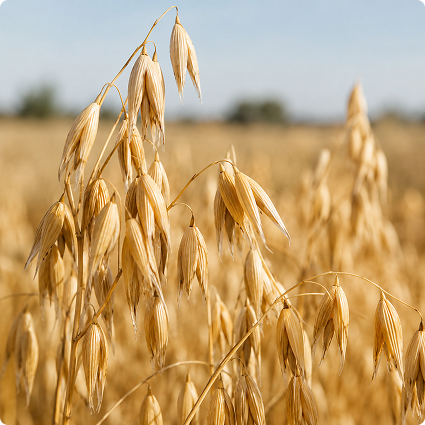
Avena fibers help increase dietary fiber content in finished products while supporting clean-label ingredient statements and consumer-friendly nutrition claims.
Fiber-rich ingredients are increasingly relevant for products positioned around fullness, weight wellness, digestive health, and GLP-1-aware nutrition strategies.
Pea and oat hull fibers can help improve structure, mouthfeel, water holding, oil binding, yield, and shelf-life goals in bakery, gluten-free, bars, snacks, plant-based, and meat systems.
Avena fibers may help improve expansion control in extruded products, reduce breakage in crispy snacks, and function as label-friendly carriers, bulking agents, and anti-caking ingredients in dry systems.
Avena’s fiber ingredients are part of a broader pulse ingredient portfolio that includes flours, grits, and inclusions made from peas, lentils, chickpeas, and beans.
These complementary ingredients can help support protein and fiber enrichment, moisture retention, texture, structure, and clean-label formulation across bakery, snacks, gluten-free products, bars, batters, breadings, and plant-based applications.
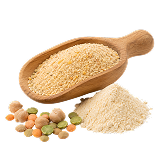
Support texture, water holding, fat binding, structure, and mouthfeel in select food systems.
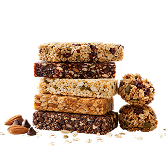
Cracked Pulses, Pulse Grit and Meal can add texture, visual interest, protein, and fiber to bars, clusters, trail mixes, and snack formats.
Avena fibers can be used across a wide range of product formats where brands need clean-label fiber enrichment, texture support, and processing functionality.
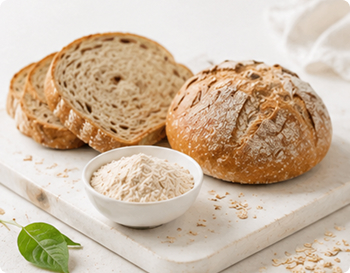
Support structure, moisture management, texture, and fiber enrichment.
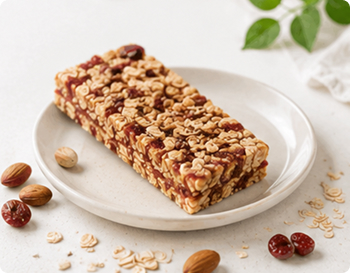
Add fiber while helping maintain taste, mouthfeel, and eating quality.
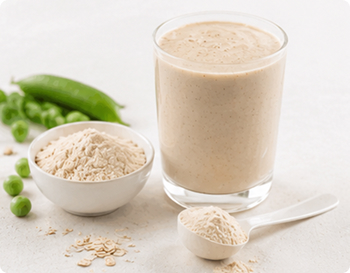
Support fiber content in dry blends, RTM beverages, and nutrition powders.
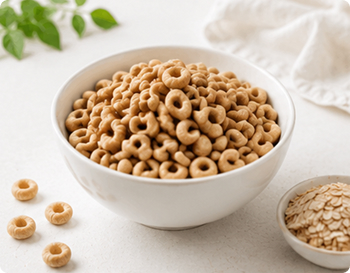
Cereals & Extruded Snacks
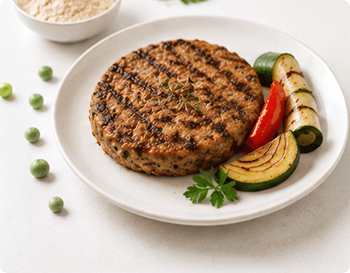
Support water and oil binding, structure, texture, and yield.
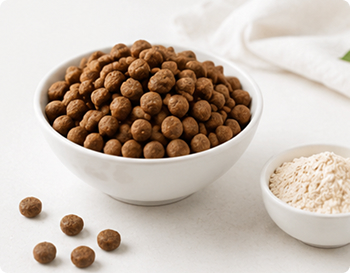
Fit fiber, gut health, satiety, active nutrition, and pet applications.
Avena’s fiber, oat and pulse ingredient portfolio brings together clean-label functionality, responsible sourcing, and smarter use of agricultural materials.
Avena’s pea and oat hull fibers are made from crop materials that might otherwise be underutilized, helping brands add meaningful nutritional and functional value to finished products.
Peas and other pulse crops can play a valuable role in sustainable crop systems by helping fix nitrogen in the soil and reducing reliance on certain external inputs.